

Street: 903/50 Clarence St, Sydney NSW 2000, Australia
Sydney NSW, Australia,Street: 903/50 Clarence St, Sydney NSW 2000, Australia
2000
Australia
Sydney NSW, Australia,Street: 903/50 Clarence St, Sydney NSW 2000, Australia
2000
Australia
Organizador
Dodo packaging Australia
Smith
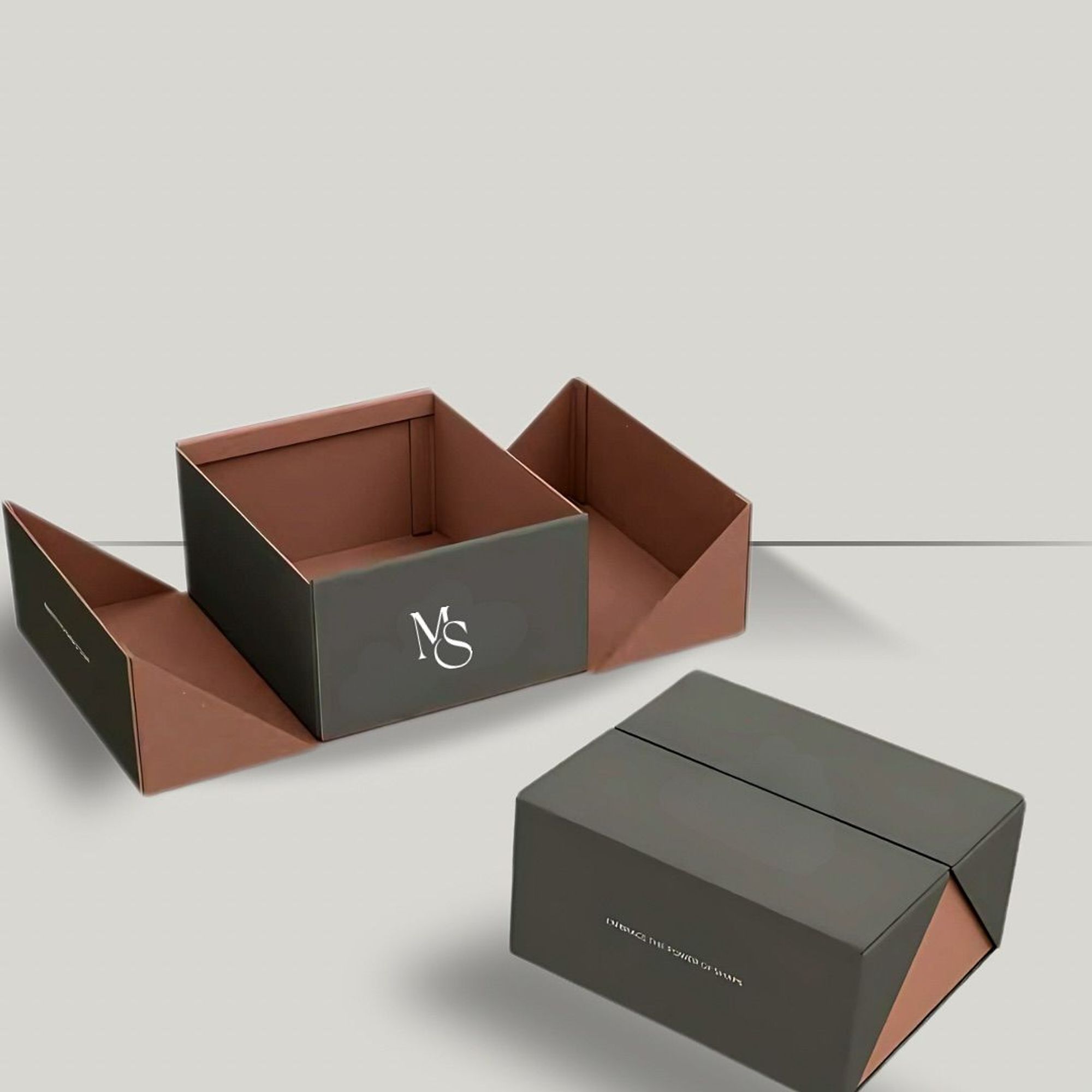
Custom Rigid Boxes: The Ultimate Blend of Strength, Style, and Brand Identity
Custom rigid boxes offer premium durability, elegant design, and endless customization. Perfect for luxury goods, electronics, and gifting, they protect products, enhance brand identity, and create a memorable unboxing experience for customers.

Detalles del Evento
Electronic Packaging: Protecting Technology and Powering Performance
The global electronics industry continues to expand at an unprecedented pace, driven by innovation in consumer devices, industrial automation, medical equipment, and communication technologies. Behind every advanced electronic product lies a crucial, yet often overlooked, component—Custom electronic packaging.
Electronic packaging is not just about enclosing a product for shipping. It encompasses the entire system that houses, protects, connects, and cools electronic components. It is a blend of engineering, materials science, thermal management, and aesthetics, ensuring that devices perform reliably under real-world conditions.
What is Electronic Packaging?
Electronic packaging refers to the design and manufacture of enclosures, casings, or assemblies that hold electronic circuits, components, and systems. Its primary functions include:
Physical protection from mechanical shock, vibration, and environmental hazards.
Electrical connection between components and external interfaces.
Thermal management to dissipate heat and maintain optimal operating temperatures.
Shielding against electromagnetic interference (EMI) and radio-frequency interference (RFI).
Brand presentation through industrial design and labeling.
Electronic packaging ranges from micro-level chip packaging to macro-level enclosures for entire systems.
Levels of Electronic Packaging
Packaging in electronics can be categorized into several hierarchical levels:
Level 0: Chip Packaging
The smallest form of packaging, enclosing an integrated circuit (IC) die in a protective casing. Examples include:
Dual in-line packages (DIP)
Quad flat packages (QFP)
Ball grid arrays (BGA)
Level 1: Component Packaging
Houses discrete components such as resistors, capacitors, and transistors, providing leads or contacts for mounting on a printed circuit board (PCB).
Level 2: PCB Assembly Packaging
The PCB and its mounted components are packaged into subassemblies, often with shielding or connectors for integration into larger systems.
Level 3: System Packaging
This stage involves enclosing multiple PCBs, subassemblies, and wiring harnesses within a chassis or housing—examples include computer towers, routers, and industrial controllers.
Level 4: Final Product Packaging
The complete device packaging, including user interface elements, branding, and consumer-ready enclosures such as smartphones, laptops, or televisions.
Functions of Electronic Packaging
Protection Against Physical Damage
Electronics are vulnerable to shock, vibration, dust, and moisture. Packaging ensures mechanical stability and environmental sealing.
Thermal Management
Electronic components generate heat that must be dissipated to avoid performance degradation or failure. Packaging incorporates heat sinks, cooling fans, and thermal interface materials.
Electrical Interconnectivity
Packaging facilitates the secure and reliable connection of components, often using solder joints, conductive adhesives, or flexible circuits.
Electromagnetic Shielding
Proper shielding in packaging prevents EMI from affecting device performance and protects nearby devices from interference.
User Accessibility and Aesthetics
Consumer electronics require packaging that is not only functional but also visually appealing and ergonomic.
Materials Used in Electronic Packaging
The choice of material is critical for balancing mechanical strength, thermal conductivity, weight, cost, and appearance.
Metals: Aluminum and steel offer durability, high thermal conductivity, and EMI shielding.
Plastics: ABS, polycarbonate, and polypropylene are lightweight, moldable, and cost-effective.
Ceramics: Used in high-performance applications for thermal stability and insulation.
Composites: Combine multiple material properties, often used in aerospace or military electronics.
Thermal Interface Materials (TIMs): Graphite pads, thermal pastes, or phase-change materials to enhance heat transfer.
Types of Electronic Packaging by Application
1. Consumer Electronics Packaging
Covers smartphones, laptops, gaming consoles, smartwatches, and household gadgets. These designs emphasize aesthetics, portability, and user interface integration.
2. Industrial Electronics Packaging
Used in factory automation, robotics, and heavy machinery controls. It prioritizes ruggedness, dust resistance, and high IP ratings for water ingress protection.
3. Medical Electronics Packaging
Devices such as diagnostic equipment, implantable devices, and patient monitors require biocompatible, sterilizable, and highly reliable packaging.
4. Automotive Electronics Packaging
For systems like engine control units, infotainment, and advanced driver assistance systems (ADAS). Packaging must withstand extreme temperatures, vibrations, and exposure to chemicals.
5. Military and Aerospace Electronics Packaging
Demands the highest standards for durability, thermal control, and EMI shielding, often incorporating lightweight composites for weight reduction.
Design Considerations in Electronic Packaging
When designing electronic packaging, engineers and designers must balance performance, safety, manufacturability, and aesthetics. Key considerations include:
Thermal Design
High-performance electronics require efficient heat dissipation. Solutions may include:
Passive cooling (heat sinks, ventilation)
Active cooling (fans, liquid cooling)
Advanced phase-change materials
Form Factor and Ergonomics
The packaging must fit product dimensions while allowing for easy handling, installation, or portability.
EMI/RFI Shielding
Conductive coatings or enclosures are used to prevent electromagnetic interference.
Ingress Protection (IP) Rating
Defines protection against dust and water. For example, IP67 means the device is dust-tight and can be submerged in water up to 1 meter for 30 minutes.
Assembly and Maintenance
Ease of manufacturing and servicing can significantly impact cost and lifecycle management.
Compliance and Safety
Packaging must meet industry standards such as UL, CE, FCC, RoHS, or MIL-SPEC, depending on the target market.
Challenges in Electronic Packaging
Miniaturization: As devices shrink, packing more functionality into smaller enclosures increases thermal and EMI challenges.
Sustainability: Finding recyclable or biodegradable materials without compromising performance.
Cost vs. Performance: High-performance materials often come at a premium.
High-Frequency Performance: In communication devices, packaging must preserve signal integrity.
Rapid Technological Changes: Designs may need to adapt quickly to new technologies or standards.
Sustainability in Electronic Packaging
Sustainability is a growing priority in electronics manufacturing. Efforts include:
Material Recycling: Using recyclable plastics and metals.
Reducing Packaging Volume: Minimizing size without sacrificing protection.
Biodegradable Materials: Especially for short-lifecycle consumer products.
Energy-Efficient Manufacturing: Lowering the carbon footprint during production.
Many companies now publish sustainability reports detailing their packaging initiatives.
Trends in Electronic Packaging
1. 3D Printing for Prototyping
Rapid prototyping of enclosures allows for faster design iterations and customization.
2. Advanced Thermal Solutions
Integration of vapor chambers, micro heat pipes, and graphene-based materials for better heat dissipation.
3. Smart Packaging
Embedding sensors or RFID/NFC tags for tracking, authentication, and user interaction.
4. Transparent and Aesthetic Designs
For consumer devices, showcasing internal components has become a visual trend.
5. Modular Packaging
Allows easy upgrades and repairs, supporting right-to-repair movements and reducing waste.
Case Studies: Electronic Packaging in Action
Apple MacBook Pro: The aluminum unibody design provides structural strength, heat dissipation, and a sleek appearance.
GoPro Cameras: Compact, waterproof housings with high IP ratings for extreme environments.
Tesla Power Electronics: Uses aluminum casings with integrated cooling channels for efficient heat management.
Best Practices for Businesses in Electronic Packaging
Collaborate Early
Involve packaging engineers in the product design stage to address thermal, structural, and compliance issues from the start.
Test Rigorously
Subject packaging to drop, vibration, temperature, and ingress testing before launch.
Prioritise the User Experience
A functional, aesthetically pleasing design can boost brand perception.
Plan for Lifecycle Management
Design for repairability, recyclability, and compliance with evolving regulations.
Stay Ahead of Technology
Keep up with new materials, manufacturing techniques, and industry standards.
Conclusion
Electronic packaging plays a critical role in ensuring the performance, safety, and appeal of modern devices. From protecting delicate microchips to presenting high-value consumer gadgets attractively, packaging is both an engineering discipline and a branding opportunity.
As technology advances, packaging must keep pace—integrating better thermal solutions, improving sustainability, and enabling new user interactions. For manufacturers, a strategic investment in electronic packaging can mean longer product life, better customer satisfaction, and a stronger competitive edge.
Visit Us : https://dodopackaging.com.au/